Local Practice:
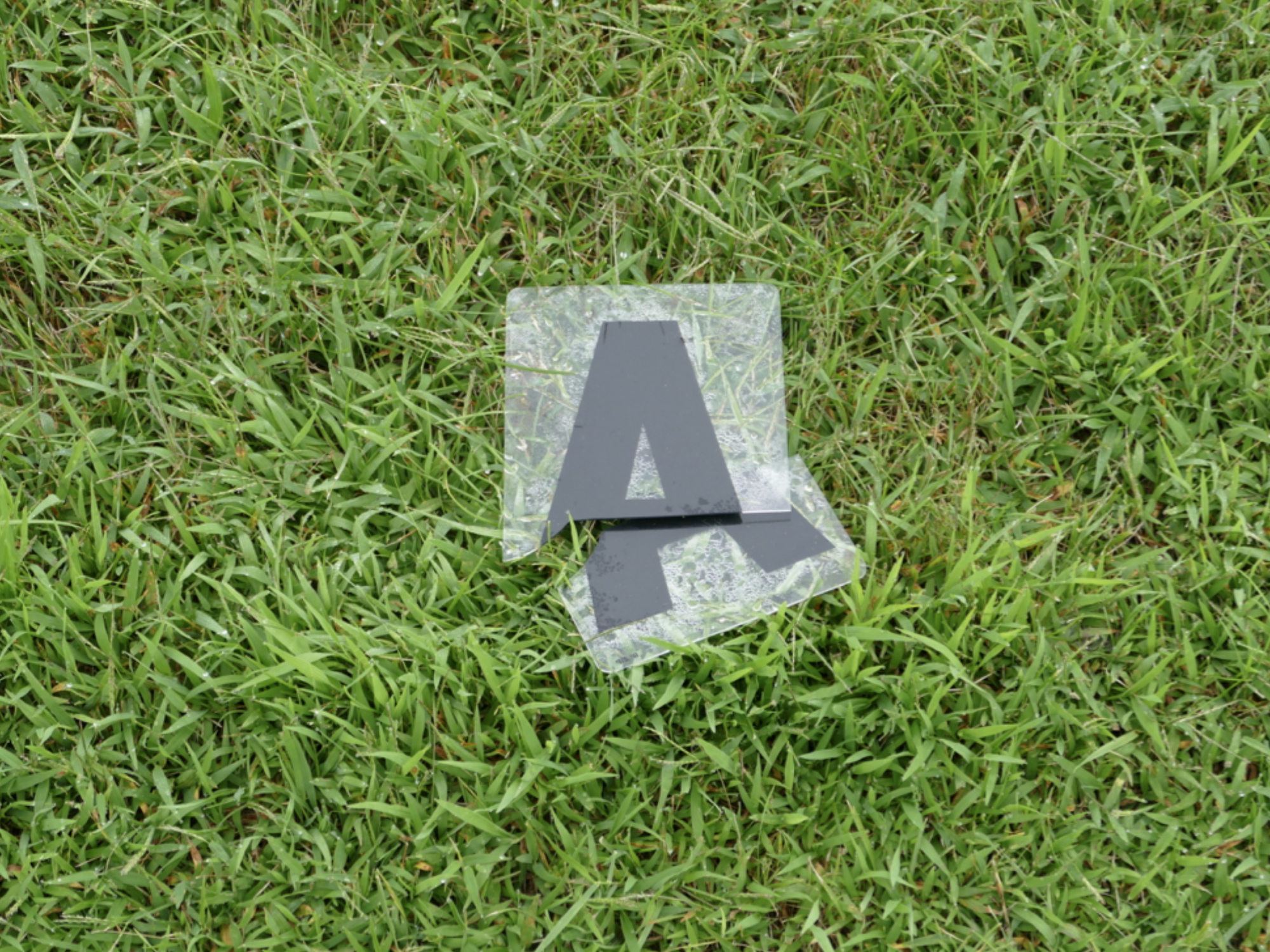
Family Video, August 18, 2016; Matthew Fluharty
The projects included below, alongside my curatorial/collaborative work and leadership of Art of the Rural, are animated by an evolving network of values, relationships, and investigation that I call local practice.
These ideas were first articulated in a series of essays I edited for the Walker Art Center in 2016:
Through a tentative frame of “local practice,” this series investigates the questions and relationships raised through deep, long-term, on-the-ground engagement with the particularities of place and community, whether within urban neighborhoods or rural locations. As Lucy Lippard wrote in The Lure of the Local, many of us are now “multicentered,” and, whether through choice or consequence, we have deep, tangled relationships between numerous urban and rural locations. The particularity, and divergences, of those allegiances add nuance to this rural-urban consciousness, and provide an alternate frame upon which to build.
Counterpublic 2026: A Shape Without A Word

https://counterpublic.org/people/m12-studio/
This piece re-presents the timbers of an 1840’s hand-hewn log cabin (hidden within a modern St. Louis home for years before a 2021 fire), alongside salvaged steel plates originally acquired by the late National Building Arts Center founder Larry Giles for an unrealized viewing platform.
A Shape Without a Word emerges directly from the post-industrial landscape of the National Building Arts Center and its setting within the former company town of Monsanto—present-day Sauget, Illinois. Situated at an epicenter of both regional industrial production and global ecological devastation, this work considers architecture and relational exchange and spontaneous becoming under conditions that, at first, might appear resistant to renewal.
The installation brings timber salvaged from an early settler cabin into conversation with a ruderal garden thriving in a sealed sand bunker on the site. Reaching out from the bunker and into the installation space, the presence of mulberry trees and the movement of their shadows reinforce a generative and nondualist relationship to time, growth, and ecological succession within an ongoing dialogue between the built and living environment – creating a potent space for reflection on the interconnected, and evolving, relationships between industrial decline, environmental degradation, and the ongoing legacies of settler colonialism.
Rural Archive
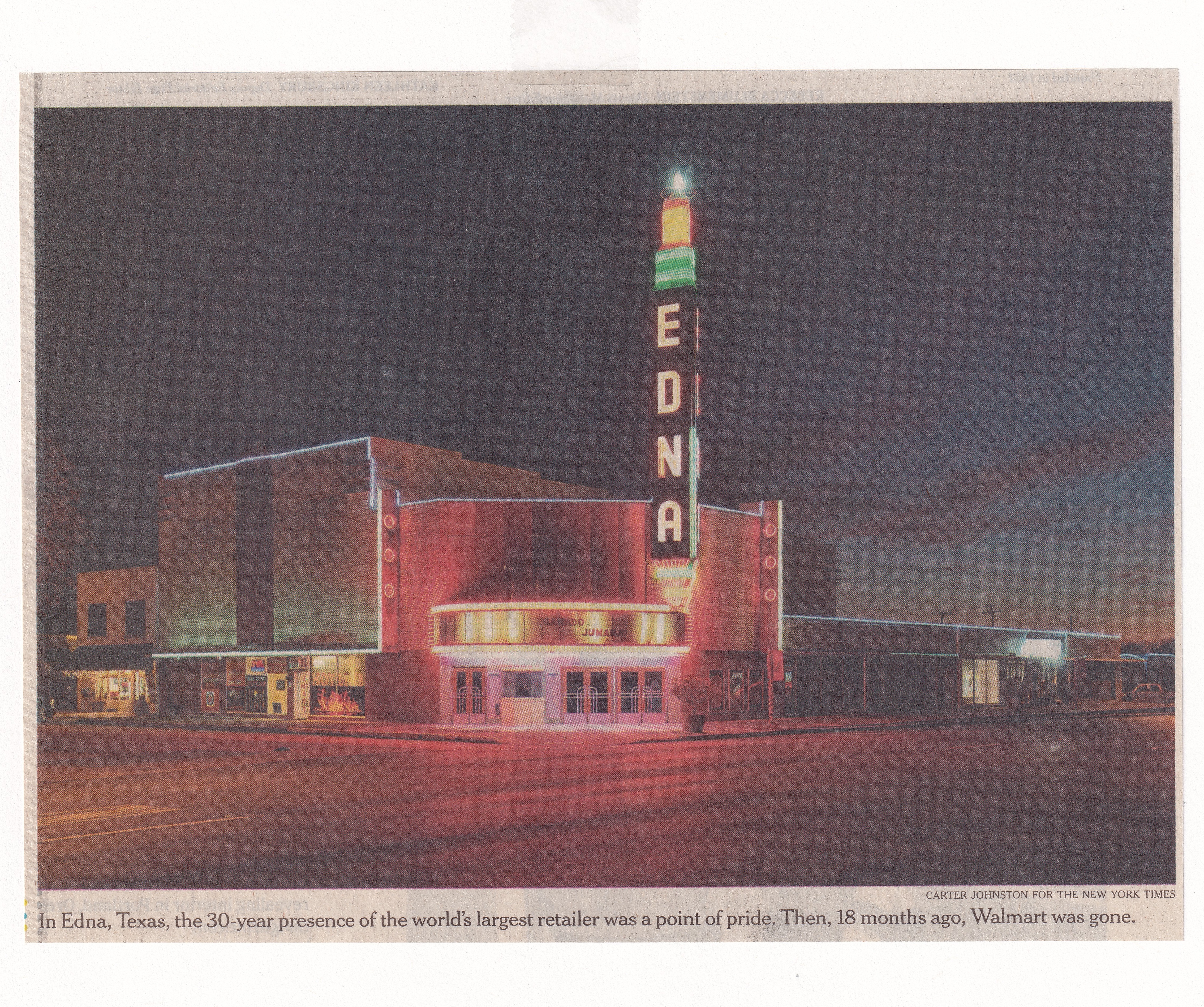 2016 -Present
https://ruralarchive.org/ [launching November 2026]
Inspired by the work of On Kawara, my evolving Zen practice, and a few generations of newspaper writers in my family, I began in spring of 2016 to cut out and methodically archive newspaper photography of rural places and cultures from two sources: the local rural publications I would encounter in my travels and their urban, mainstream counterparts at the New York Times and Wall Street Journal.
What began as a personal practice of pausing to mark time and place, and appreciating the art of local photojournalism, evolved into a much deeper, contradictory, and complex activity as the 2016 Presidential Election revealed to urban audiences the wide rifts between themselves and the rural communities I knew well. The difference in this visual language, and editorial hand, spoke to this condition in alternately forceful and subtle ways.
I have continued this practice, as these cultural, political, technological, and economic chasms have intensified in the years since -- and this work has expanded to include subscriptions to numerous rural newspapers, often in counterdisctinction to a single feature written about this community by the New York Times. Between these two platforms, what emerges is a much deeper, and much more ambiguous, articulation of our shared present moment.
Now in its currrent form, Rural Archive houses and catalogs thousands of newsprint photographs and articles. Though this has been a private and deeply personal practice for close to six years, this archive was publicly debuted as part of the Field Notes exhibition at the Form + Content gallery in Minneapolis in November 2022.
Gratitude to Minnesota PBS, which created a feature on my work and Local Archive. It can be seen here.
I am currently editing a catalogue of these images.
Snow Piles of the Upper Mississippi
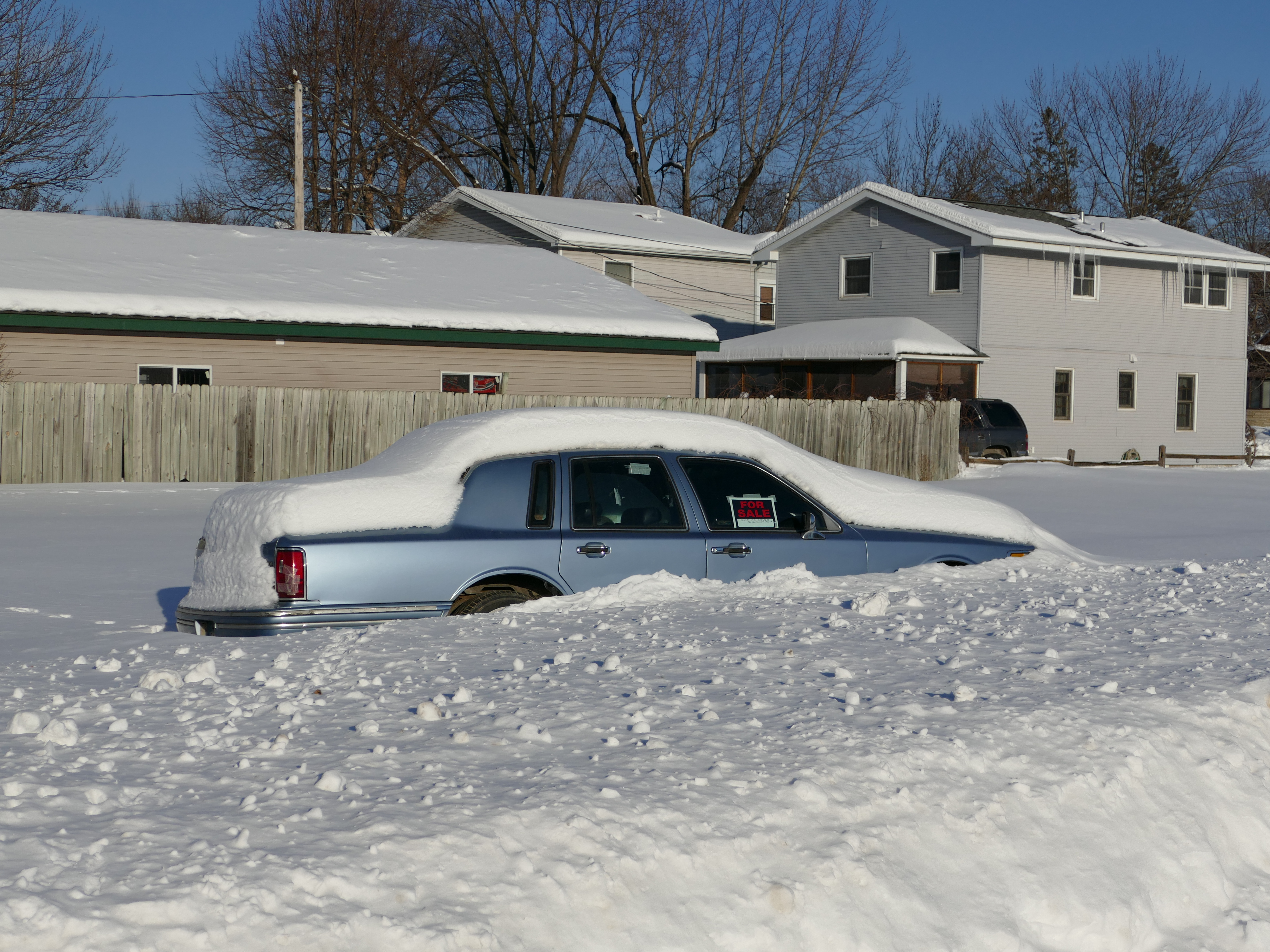
February 16, 2019
2019 - Presenthttp://snowpiles.org/
Snow Piles of the Upper Mississippi is an ongoing project focused on the connected experiences of water, land, and community.
Begun in January 2019, this work centers on a large, evolving photographic archive of contemporary snow piles. This project observes the snow pile as an element of local architecture, art, history, and infrastructure – an everyday aperture through which to consider cultural, ecological, and political change.
A small selection of these photographs, alongside stereograph images from the Elmer and Tenney collection documenting the historic “Snow Winter” of 1880-1881, was on view at the Winona County History Center in 2023.
This exhibit was be joined with public actions, conversations, and meals that bring together archives and personal histories. A collaborative community publication is currently being planned. The local newspaper, The Winona Daily News, published this feature piece on this project.
The American Bottom Project
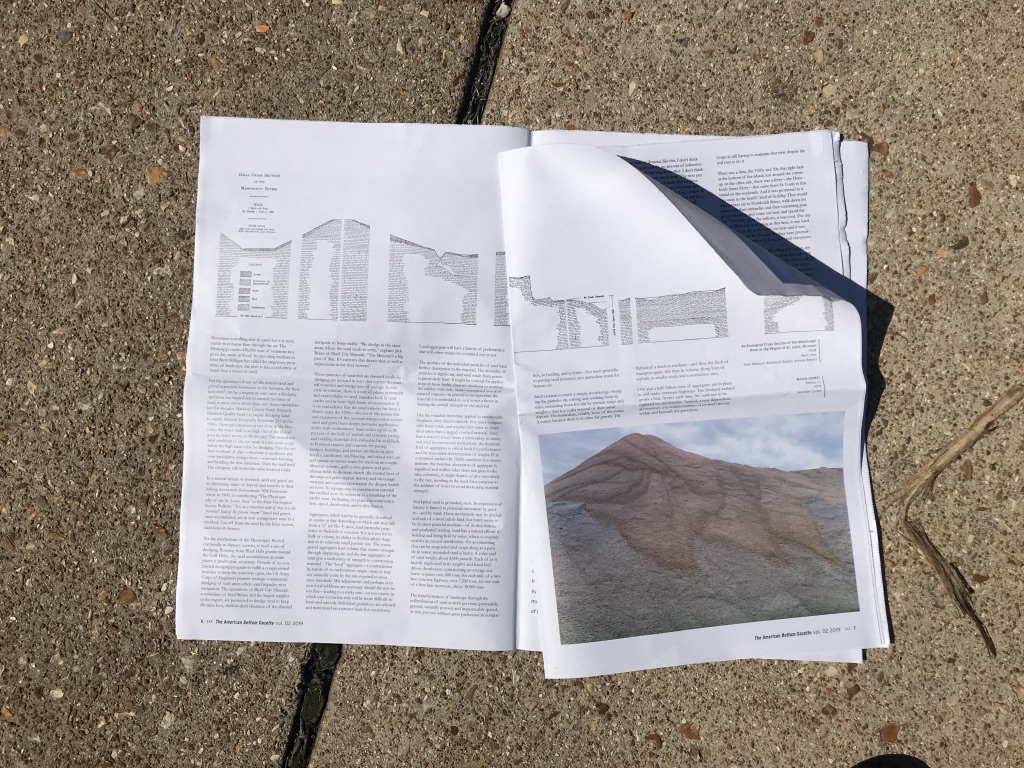
The American Bottom Gazette, issue 2
2013 - Presenthttp://theamericanbottom.org/
https://www.artoftherural.org/media/the-american-bottom-project
Through both an extensive digital resource and The American Bottom Gazette regional print publication, The American Bottom Project invites scholars, activists, artists, educators, and citizens to collaborate towards telling the complicated history of the 65-mile Mississippi River floodplain to the east of St. Louis. Begun in 2013, this work has recently been featured in Art in America and is the supported by Illinois Humanities and a Divided City grant via the Andrew W. Mellon Foundation. I’m grateful to be collaborating with Jesse Vogler, Jennifer Colten, and Alissa Blatter in this longterm work.
I’m looking forward in 2024 to co-creating further issues of the Gazette with my colleagues, alongside extended support for an artist of culture-bearer to work closely with community organizations in the region to cultivate relationships and share the lived experiences and cultural histories of this region.